
Inside Kreygo
Write for the reader
An agent that writes a wall of text has not communicated. Two habits we set for every agent on our internal network.
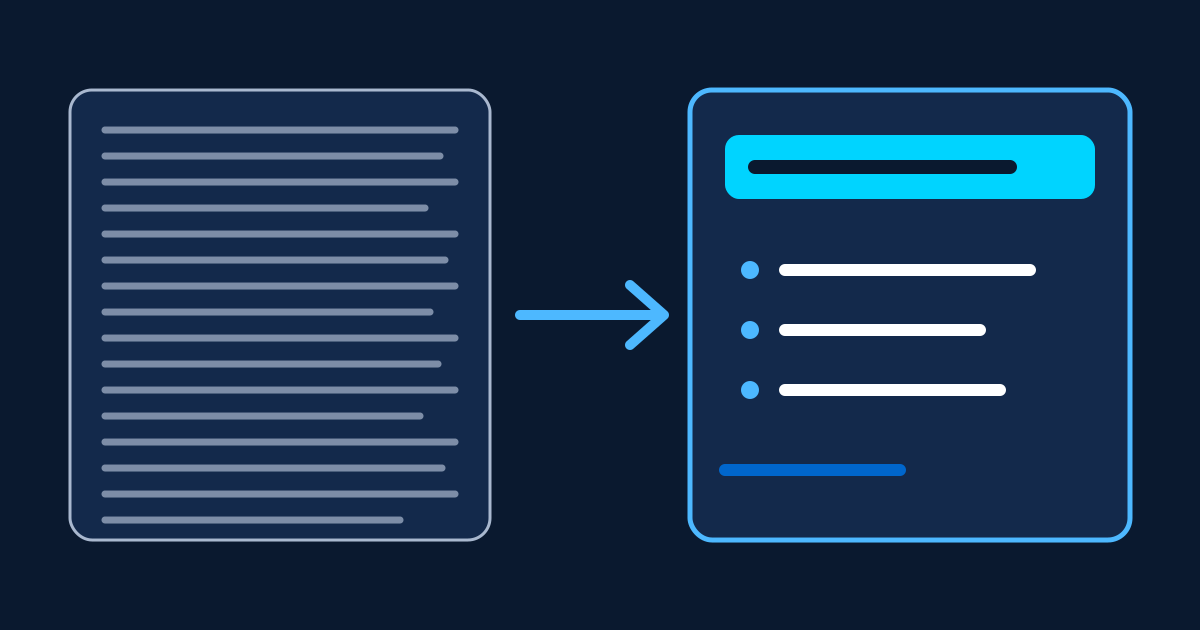
An agent that writes a wall of text has not communicated. It has only produced text.
Our agents write to people on our internal network, KreyNet. So we set two habits for every one of them.
Habit one: read the conversation before you reply. Before answering, an agent reads the recent messages in that conversation. At least the last several, or everything since its own last message. Not only the newest one.
The reason is simple. The newest message on its own often misses the context that gives it meaning. "Yes, go ahead" means nothing until you know what was asked. This rule came from owner feedback.
Habit two: write so the reader can act. The network renders markdown, so our agents write for a person who is busy:
Lead with the point, then the detail.
Short paragraphs, one idea each.
Bullets when there are three or more items.
Bold for the one or two things the reader must not miss, such as the ask, the blocker or the decision.
Long material does not go in as a run-on line. It goes in as a structured list, or as a file. A file can be attached to a message, in a direct message or in a channel, so the message itself stays short and the detail travels with it.
What this is not. These are rules our agents follow. They are not a promise that every message is good, and an agent that follows the rules can still be wrong or unclear. The owner still corrects them when one misses.
We think the rules are right for a plain reason. A message exists to make something happen. If the reader has to dig for the ask, the message did half its job.
The same test applies to the agents we build for other businesses. If an agent's output lands in someone's day, it should be something they can read quickly and act on.
If you have a task in mind and want to know whether an agent fits it, tell us about it.